Meta Description:
“Apple achieves a historic milestone with 3 billion iPhones sold! Explore the journey, impact, and future of Apple’s iconic device. Discover why Apple Hits 3 Billion iPhones Sold—A Historic Milestone that matters globally. Read now!”
Introduction
Apple Hits 3 Billion iPhones Sold—A Historic Milestone. The headline lands hard. Pause. Consider its weight in tech history. Since 2007, the iPhone has rewritten how we talk, work, and unwind. This isn’t just another sales update. Three billion units sold. That number is more than a scale; it’s a record of steady innovation, strong customer attachment, and Apple’s global influence. Step back. Nearly 1 in 3 people on the planet now owns an iPhone. From the first release to the latest iPhone 15, Apple has kept pace with change—design, software, and the complete iOS experience working together. Simple, effective. This isn’t just a story about Apple. It matters to Samsung, to Google, and to the entire industry. Apple’s milestone highlights how smart technology reaches more people than ever before. But what does it trigger? Economic shockwaves, sure. New demands on sustainability, yes. And it shifts the conversation about what comes after 2025 for Apple. Investors notice these numbers. So do fans. Apple Hits 3 Billion iPhones Sold—A Historic Milestone. The message is direct; Apple isn’t fading. Not now
The Journey to 3 Billion: Apple’s iPhone Evolution
Apple Hits 3 Billion iPhones Sold—A Historic Milestone. It started when Steve Jobs took the stage in 2007 and showed the world a device unlike anything before it. People called it the “Jesus phone. ” It was part phone, part iPod, part pocket internet—a bold fusion. Competitors took notes. They raced to catch up.
- 2007–2010: These were the building block years. The iPhone 3G arrived, and the App Store followed—a small offering of 500 apps in 2008. Today, that number stands at 1.8 million. Growth was exponential.
- 2011–2015: The iPhone went global. Voice commands with Siri arrived on the 4s. The iPhone 6 brought a bigger screen, attracting Asia and Europe. Demand soared. New markets opened.
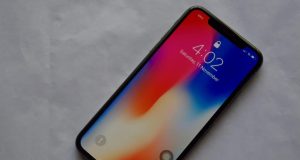
- 2016–2020: The iPhone X changed the game. Face ID. OLED displays. Apple leaned hard into being a luxury brand. Premium felt attainable.
- 2021–2024: Apple shifted focus—sustainability mattered. Recycled materials became common. Software updates kept old phones useful. The secondhand market thrived.
Apple’s strategy was clear: blend innovation with accessibility. Carrier deals—like those with AT&T—and monthly payment plans meant more people could own an iPhone. Production was fine-tuned. Foxconn’s factories pumped out over 200 million units a year. The iPhone kept showing up in cultural touchpoints, from Instagram selfies to FaceTime calls during lockdowns. It became essential. Selling 3 billion iPhones isn’t just a sales victory. It’s the result of thoughtful choices—technology, timing, trust—mixed to create something people return to again and again.
Economic and Cultural Impact of Apple’s Milestone
The impact of Apple reaching 3 billion iPhones sold goes beyond profit reports. Each device carries weight—economically, Apple injects over $500 billion every year into the global GDP. That money supports more than 15 million jobs. Suppliers. Developers. Retailers. And then there’s the App Store. Since 2008, it’s delivered $1.1 trillion to developers, helping startups like Uber and Spotify grow from nothing. But it’s not just economics at play. The iPhone has changed what daily life looks like.
- Social Dynamics: Facetime connected families during lockdowns; TikTok trends birthed new careers.
- Creative Tools: ProRAW photography and LiDAR scanners empowered creators.
- Health Integration: ECG monitors and fall detection saved lives.
Environmentally, Apple faces scrutiny. While 20% of iPhone materials are recycled, critics argue faster product cycles (average upgrade: 3 years) drive e-waste. Yet, initiatives like Apple Trade In recycled 18M devices in 2023. For emerging markets, refurbished iPhones bridge digital divides—India’s sales surged 42% in 2024. Apple Hits 3 Billion iPhones Sold – A Historic Milestone isn’t just a corporate win; it’s a societal blueprint.
How Apple Sustained Dominance in Competitive Markets
Apple Hits 3 Billion iPhones Sold—A Historic Milestone Despite Fierce Rivals. Three pillars explain this endurance:
- Ecosystem Lock-In: iCloud, AirPods, and Apple Watch create seamless experiences. Switching to Android means losing continuity.
- Brand Loyalty: 92% retention rate (CIRP, 2024). Free workshops, Genius Bar support, and iOS 10-year updates build trust.
- Pricing Agility: From $399 (iPhone SE) to $1,599 (Pro Max), Apple targets all segments.
Apple’s counter to Samsung’s foldables? Optimizing iOS for reliability, not gimmicks. In China—Huawei’s stronghold—Apple leveraged nationalist sentiment by partnering with Luxshare for local assembly. Regulatory hurdles? Apple’s $100M App Store reforms preempted antitrust lawsuits. Marketing amplified this: Memorable campaigns (“Shot on iPhone”) and influencer collabs (like Zendaya for iPhone 15) kept cultural relevance. Apple Hits 3 Billion iPhones Sold— A historic milestone proves adaptability is as vital as innovation.
Future Outlook: What’s Next After 3 Billion iPhones?
Apple just hit 3 billion iPhones sold. That’s not just a big number; it’s a turning point—a marker in tech history. Three core themes define Apple’s next moves:
- AI Integration: iOS 18 rolls out “Apple Intelligence,” putting large language models directly on devices. This powers things like smarter predictive text, improved photo editing, and basic health insights. Everything runs on the device—privacy stays front and center. No cloud handoffs. No loose ends.
- AR/VR Expansion: Vision Pro is set to bring spatial computing to the mainstream. It connects seamlessly with iPhones. The goal? More immersive workflows and a new way users interact with their digital world.
- Emerging Markets: India is now a manufacturing hub for Apple. Local production means lower import taxes. Apple aims for 25% of its iPhones to be built in India by 2026. A strategic shift, not just cost-cutting.
But challenges stick around:
- Sustainability Goals: Apple targets 100% carbon neutrality by 2030. Can they reach this while scaling fast? Big promise, bigger logistics.
- Regulatory Pressures: New rules from the EU—like the USB-C mandate—set the tone for future policy fights. Apple has to adapt, sometimes quickly.
- Market Saturation: Hardware growth slows down. Apple now leans on services—like Music, TV+, and Arcade—which make up 25% of its revenue. Recurring, reliable, essential.
Looking forward, analysts predict Apple could move 4 billion iPhones by 2031. AI advances and 6G will help drive that number up. So, 3 billion isn’t an ending. It’s just the latest launchpad for Apple’s next leap.
Why This Milestone Matters to Consumers and Investors
Apple has now sold 3 billion iPhones. It’s a milestone that puts a spotlight on Apple’s ecosystem—and shows why many see it as a safe choice. For customers, this number isn’t just about bragging rights. It means they’ll get longer software support, steady accessory options, and strong resale prices. Fifty percent of an iPhone’s value remains after three years. That’s rare. Investors, meanwhile, see a $2.8 trillion company that withstood chip shortages and still managed 6% iPhone revenue growth in 2023. Consistency matters. Competitors pay attention—Google’s Pixel now offers 7 years of Android updates. Apple sets the bar. Smaller brands like Nothing Phone are taking notes, centering their strategies on design and ethical choices. This 3-billion mark sends a clear message: real tech success requires more than just innovative hardware or smart software. It takes a sense of soul, too.
Frequently Asked Questions (FAQs)
Q1: How long did it take Apple to sell 3 billion iPhones?
A1: 17 years. From 2007 to 2024. The first billion? That took Apple 9 years. The next 2 billion came quickly—just 8 years—driven by emerging markets and trade-in offers. Growth sped up. Simple math, complex story.
Q2: Which iPhone model sold the most units?
A2: iPhone 6/6 Plus. Over 220 million units. Big screens drew big crowds. The iPhone 11 and 13 series also cleared 150 million each. Popular, but not record-breakers.
Q3: How does Apple’s milestone impact smartphone sustainability?
A3: Apple’s recycling robots (Daisy) recover 95% of materials. Longer iOS support (e.g., iOS 17 on iPhone XS) reduces e-waste. Critics urge slower release cycles.*
Q4: What regions drove the highest iPhone sales growth?
A4: India (+76% in 2023), Vietnam (+40%), and Mexico (+28%). Premiumization trends in Europe also contributed.*
Q5: Will Apple reach 4 billion iPhones faster?
A5: Analysts estimate 2031, driven by AI features, refurbished markets, and 5G/6G upgrades in Africa and Southeast Asia.*
Conclusion
Apple has sold 3 billion iPhones. It’s a marker of persistence, smart choices, and adaptation. The iPhone changed industries. It connected billions. This device shaped habits—and expectations. Now, as Apple moves toward AI and spatial computing, this number matters. It’s a foundation for what comes next. People use technology when it fits seamlessly. That’s the real achievement here. It becomes part of daily life, often unnoticed, but always present.